Is Palancar Reef Open? Closures, Rest Periods & Conservation Rules
Every few months, rumors ripple through dive forums and Facebook travel groups claiming that the south end of Cozumel is shut down. If you are standing on the pier in San Miguel wondering is palancar reef open right now, you can take a breath. Yes, the reef system is welcoming boats, but the way Mexico manages access to these waters has changed dramatically over the last few years, and assuming everything operates like it did in 2018 will leave you sorely disappointed on dive morning.
Palancar is not a single coral head with a ticket booth. It spans roughly three and a half miles of drop-offs, swim-throughs, and towering buttresses split into distinct zones. Knowing whether your favorite section is accessible on a given Tuesday requires understanding Mexico's rotating conservation policy, park fee updates, and why seasonal rest periods are now an ordinary part of diving in Quintana Roo.
Current Status: Is Palancar Reef Open Right Now?
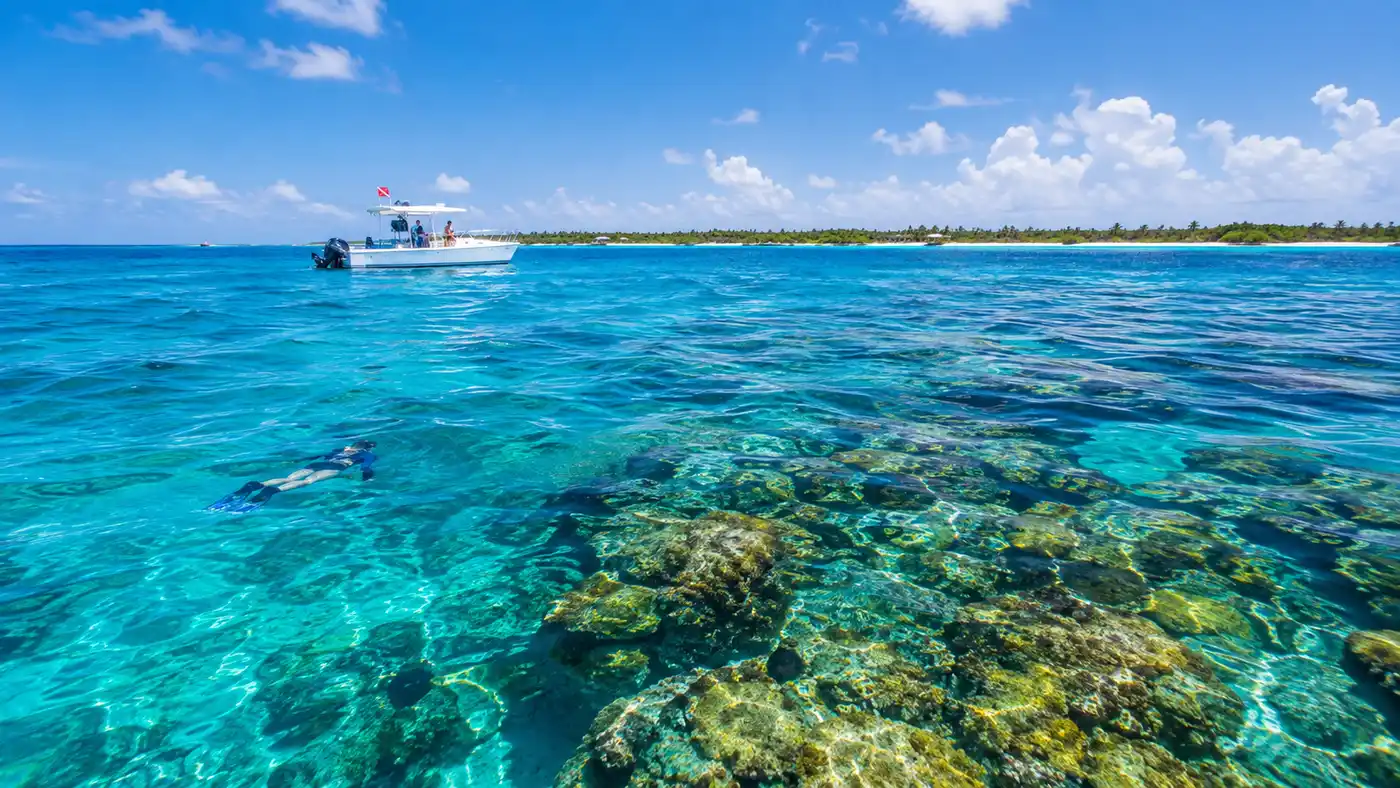
The short answer is yes. Palancar Reef is active and dive boats visit it every single day that harbor masters clear the port for marine traffic. Yet, hearing a boat captain announce that a specific site is unavailable often leads panicked tourists to post online that the entire reef is offline.
What is actually happening is far more orderly. The Comisión Nacional de Áreas Naturales Protegidas, known locally as CONANP, oversees the Parque Nacional Arrecifes de Cozumel. Instead of locking down the whole marine park when coral beds get stressed, CONANP enforces a system of rolling closures. Under this setup, individual sectors - such as Palancar Caves, Palancar Horseshoe, or nearby Colombia Reef - take mandatory vacations from human fins.
I remember boarding a six-pack panga out of Marina Fonatur on a crisp October morning back in 2022. I had told the divemaster I wanted deep swim-throughs at Palancar Caves. He shrugged, smiled, and told me Caves was taking a nap until the first of November, so we swung north toward Palancar Gardens instead. We still saw nurse sharks sleeping under overhangs and hawksbill turtles chewing on sponges. The diving was stellar, even if my original dive profile changed on a ten-second boat ride.
Pro tip: Ask your dive shop which specific southern sectors are resting during your travel dates before you leave home so you can plan your wish list around current park rotations.
Book your palancar reef experience:
Why Rumors About Palancar Reef Closing Keep Spreading
People love a good travel scare. The persistent rumor that Palancar Reef closed permanently traces back to autumn 2019, when environmental authorities did something unprecedented. A nasty outbreak of stony coral tissue loss disease swept through the Mexican Caribbean, stripping vibrant brain and star corals down to bone-white calcium skeletons within weeks. Alarmed by the speed of the infection, CONANP shut down the entire southern marine park from October to December 2019 to evaluate the damage and remove tourist pressure.
It was a shock to the island economy. Dive operators tied their boats to the docks for months. Then came spring 2020, bringing global travel shutdowns that kept human beings out of the water for another stretch of time. Because those back-to-back closures made international headlines, casual travelers who only visit Cozumel every five years frequently search whether a palancar reef closure is still in effect.
That initial 2019 palancar reef closing ended up serving as an outdoor laboratory for marine biologists. Corals did not magically heal overnight, but fish populations relaxed and water clarity stabilized. When the park reopened, officials realized that continuous, unyielding traffic from 40-diver catamaran party boats was accelerating the decline. Rather than waiting for another catastrophic disease spike to force an emergency Cozumel palancar reef closed decree, they built routine rest cycles directly into the legal calendar.
More recently, summer water temperatures have spiked. During the hot months of 2023, ocean temperatures hovered around 87 degrees Fahrenheit for weeks on end, triggering coral bleaching across the Caribbean. Whenever CONANP scientists inspect the reef line during a heat wave, the island whispers that another blanket shutdown is coming. Most of the time, these whispers are just dock gossip, but they keep the search phrase is palancar reef closed alive on search engines year after year.
The CONANP Rotating Rest Schedule Explained
The management plan uses a calendar-based rotation. Cozumel divides its southwest fringing reef into management blocks. While the exact month-by-month schedule can shift based on water quality reports and coral monitoring data, the core strategy remains the same: give high-traffic coral heads a two-month recovery window every calendar year.
When a sector rests, no tourist activity of any kind is permitted there. That means no anchoring, no drift dives, no snorkeling tours, and no surface swimming. Federal park patrol boats cruise the marine park boundary throughout the morning, checking boat permits and waving vessels away from resting coordinates. If your captain drops you in a resting zone, their commercial permit can be suspended on the spot, so reputable captains adhere to the boundaries strictly.
| Zone / Sector | Typical Rest Period | Depth Range | Primary User Group |
|---|---|---|---|
| Palancar Gardens | May to June (alternating) | 35 - 80 ft | Divers & confident snorkelers |
| Palancar Caves & Horseshoe | October to November | 45 - 90 ft | Advanced divers |
| Palancar Bricks | July to August (rotational) | 50 - 100+ ft | Scuba drift divers |
| Colombia Shallows | December to January | 10 - 30 ft | Snorkelers & beginners |
| Punta Sur / Devil's Throat | February to March | 80 - 130 ft | Deep technical divers |
This rotational matrix explains why the reef system never truly locks you out. If Palancar Caves is dark, Palancar Gardens and Columbia Deep are open. If Colombia Shallows is having its winter break, snorkelers are routed toward shallow Yucab or San Francisco Reef. You get to see world-class marine life regardless of the date on your flight ticket.
Book your palancar reef experience:
Palancar Reef Health: What You Will Actually See
Let us talk honestly about palancar reef health. If someone tells you the reef is completely untouched, they are selling you a brochure. If someone else tells you it is a dead underwater wasteland, they have not put their mask in the water recently.
The truth sits squarely in the middle. The gigantic, architectural framework of Palancar is intact. The towering limestone walls that drop straight into the blue abyss still trigger that jaw-dropping moment of vertigo when you float off the edge. Deep swim-throughs are crowded with glassfish, giant green moray eels, and nurse sharks resting on the sand. Sea turtles are so common that by day three of a dive trip, you might stop taking photos of them.
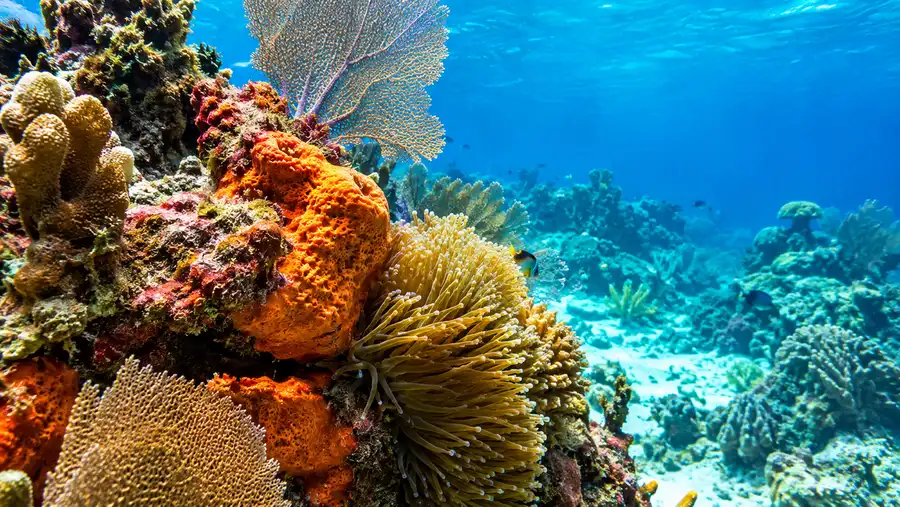
Hard stony corals, however, have suffered. You will notice pale patches where brain corals died during bleaching cycles, leaving behind structures now colonized by algae or soft gorgonians. Sea fans, purple sea whips, and massive orange elephant ear sponges are thriving because they handle warmer water and high flow better than hard reef-builders. The underwater scenery remains dramatic, but it looks different than it did thirty years ago. The current rest rotations are designed to preserve the survivors so natural recruitment can slowly rebuild weakened colonies.
Note: Harbor closures due to weather are entirely separate from conservation closures. In winter, strong cold fronts from the north called nortes regularly force the harbor master to shut the port to all small craft for 24 to 48 hours for pure safety reasons.
Conservation Rules You Must Follow When Visiting
Because the marine park faces heavy pressure from cruise day-trippers and dedicated dive groups, enforcement of environmental codes has tightened up significantly. If you plan to spend time in these waters, you are legally bound by national park regulations the second your boat crosses the boundary line south of San Miguel.
- No chemical sunscreen whatsoever: Even bottles labeled "reef-safe" or biodegradable are banned inside the national marine park. The chemicals wash off into the water column and inhibit coral larvae settlement. Put on a long-sleeve UPF 50+ rash guard and a swim hood instead of slathering lotion on your shoulders.
- Federal marine park bracelet mandatory: Every person entering the park must pay a daily conservation fee, roughly 110 Mexican pesos (about $6 USD). Your operator buys a physical tyvek bracelet or digital pass from CONANP. Make sure your guide hands you one or has proof of purchase on the manifest.
- Zero contact policy: You are not permitted to touch coral, kneel on the sand, manipulate wildlife, or pick up empty shells. Divers who touch the reef risk having their dive day cut short by the divemaster.
- No gloves or dive knives: Neoprene gloves are prohibited to discourage divers from grabbing rock faces in strong currents. If you struggle with buoyancy, stay five feet higher above the structure rather than reaching down for handholds.
These rules might sound strict on paper, but in practice, they keep the park orderly. It takes about 45 minutes on a standard diesel dive boat to motor south from the marina to Palancar. During that run down the coast, a good divemaster will run through these protocols during the site briefing. Listen to them. The park rangers do run random boat inspections, pulling up alongside pangas to check diver rosters, bracelets, and dive gear.
Planning Around Rest Periods for Snorkelers and Divers
Your itinerary depends heavily on your gear. If you are taking a dedicated trip for Palancar Reef scuba diving, a closed sector barely puts a dent in your vacation. A dive vessel simply motors another half-mile south or drops onto the adjacent wall profile. Palancar has enough distinct mooring buoys that seasoned divers can spend an entire week exploring different fingers of the same reef complex without ever repeating a route.
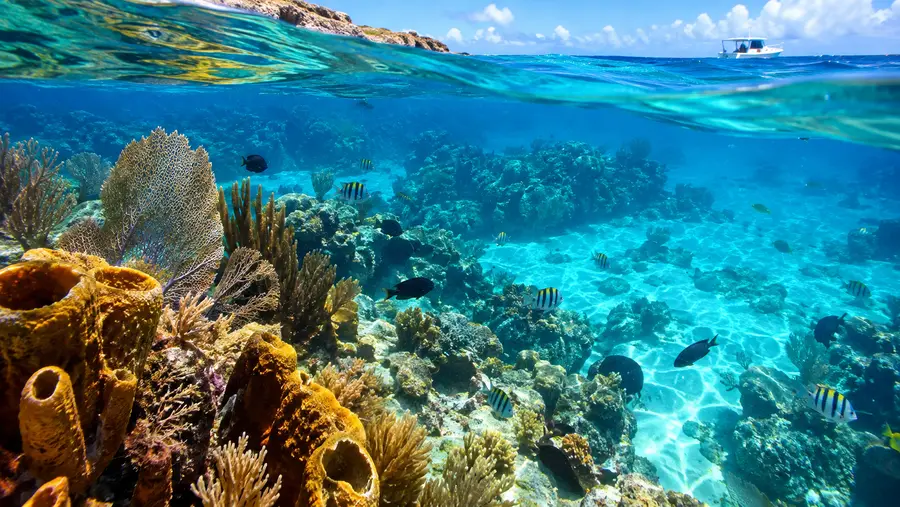
Snorkelers face a slightly different reality. Much of Palancar drops off into water 40 to 80 feet deep, which is magnificent for clear-water scuba diving but too deep for casual surface floaters. Snorkel boats typically drop their groups around the shallow sandbars of Colombia Shallows or the edges of Palancar Gardens where the coral tops reach within twelve feet of the surface. If those specific shallow zones are rotating through a conservation closure, snorkel operators will redirect tours toward Cardona Reef, Dzul-Ha, or Chankanaab.
- Book through independent dive shops: Boutique dive operators with their own dedicated boats offer far more route flexibility than huge cruise-ship shore excursions. If a specific buoy is closed, a local captain knows five alternative canyons that deliver the same level of marine life.
- Check the Cozumel port calendar: On days when six giant cruise ships dock at Punta Langosta and Puerta Maya, morning boat traffic near the marine park entrances gets messy. Aim for early departures around 7:30 AM to hit Palancar before the midday fleet arrives.
- Build buffer days for weather: Do not schedule all your reef outings for the last day of your holiday. If a sudden norte blows in and closes the harbor, having two days of leeway ensures you can get wet once the wind shifts back to the east.
The system works if you remain flexible. Most travelers who complain about reef closures simply failed to read the calendar or got upset because their boat captain shifted them to a site three hundred yards away from where their uncle dove in 1996.
Frequently Asked Questions about is palancar reef open
Is Palancar Reef open year-round?
Yes, Palancar Reef is open throughout the entire year, though individual sections close on rotating two-month rest schedules managed by the national park service.
Can tourists visit Palancar Reef during a rest period?
You cannot enter the specific sector that is resting, but neighboring sections of Palancar and adjacent reefs remain open for diving and snorkeling during those dates.
Why did the Mexican government institute reef rest periods?
Rolling closures give marine ecosystems a break from boat exhaust, physical diver impacts, and sunscreen runoff, helping corals recover from bleaching and disease outbreaks.
How will I know if my dive site is closed?
Licensed local boat captains and dive shops receive the official CONANP closure schedules directly and will adjust your dive profile to an open site before leaving the marina.
Quick Reference
- Open year-round with rotational sector rest periods
- Daily national park fee roughly $6 USD per person
- Strictly zero sunscreen permitted inside the marine park
- Port closures for wind (nortes) differ from coral rest rules
- Deep walls average 40 to 90+ feet of depth
Book your palancar reef experience:
The Bottom Line
Worrying whether the whole reef is inaccessible will only give you unnecessary gray hairs before your flight lands. Palancar is alive, active, and strictly protected by a community of boat captains and scientists who depend on these azure waters for their livelihood. Pack your rash guard, find an experienced local dive shop, keep an open mind about which buoy you tie up to, and enjoy some of the bluest, clearest drift diving on the planet.
Read more about palancar reef.